Author: Dani

  • Do Tattoos Hurt? A Realistic Tattoo Pain Guide

    Do Tattoos Hurt? A Realistic Tattoo Pain Guide

    Do Tattoos Hurt? What It Really Feels Like

    This is probably one of the most common questions we hear at Tabula Rasa Tattoo Studio in Chesterfield. It is also one of the questions people sometimes feel nervous about asking.

    The honest answer is that tattoos can be uncomfortable, but the level of pain varies from person to person. It depends on the area being tattooed, the style of work, how you are feeling on the day and your own pain tolerance.

    Hopefully this guide will help answer the question as honestly and clearly as possible, so you know what to expect before your appointment.

    Does Getting a Tattoo Hurt?

    Generally speaking, tattoos can feel painful in some areas and surprisingly manageable in others.

    There is no “one size fits all” answer when it comes to tattoo pain. Some people find the experience much easier than expected, while others find certain areas more intense.

    Clients often describe the feeling as:

    • a sharp scratch
    • a warm burning sensation
    • a dragging feeling
    • a vibrating or stinging sensation

    Most of the time, clients tell us the feeling is much better than they expected.

    Why Tattoo Pain Can Feel Different

    Even if the tattooing technique only changes slightly, the sensation can feel very different depending on where you are being tattooed.

    An area that feels completely manageable on one part of the body may feel much sharper somewhere else.

    This is because different areas have different levels of:

    • skin thickness
    • sensitivity
    • nerve endings
    • movement
    • exposure
    • bone or muscle underneath

    Everybody is different, so pain levels are always personal.

    Less Sensitive Areas To Get Tattooed

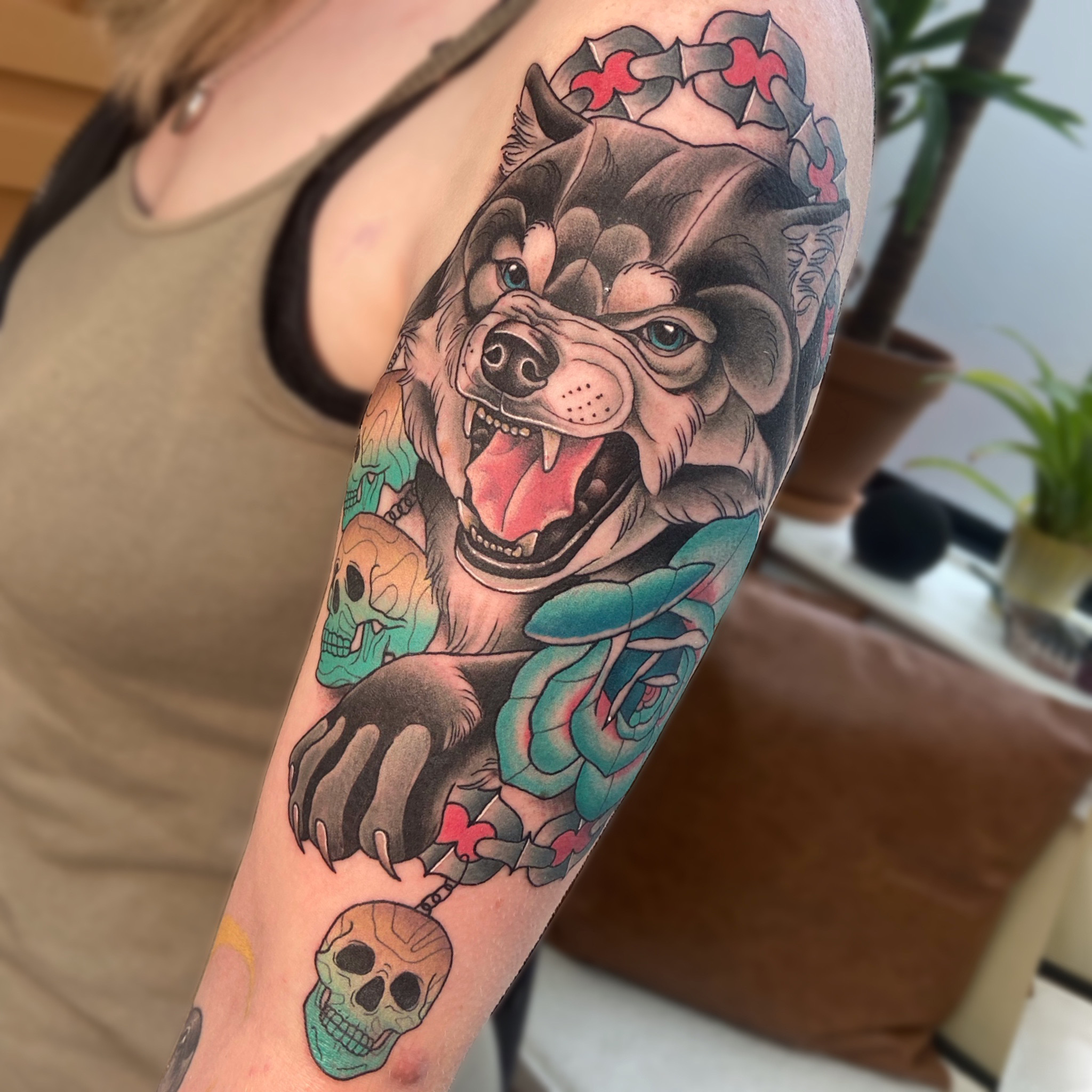
    People often find areas with thicker skin or more padding easier to sit through.

    Common areas that may feel more manageable include:

    • outer forearm
    • upper arm
    • outer arm
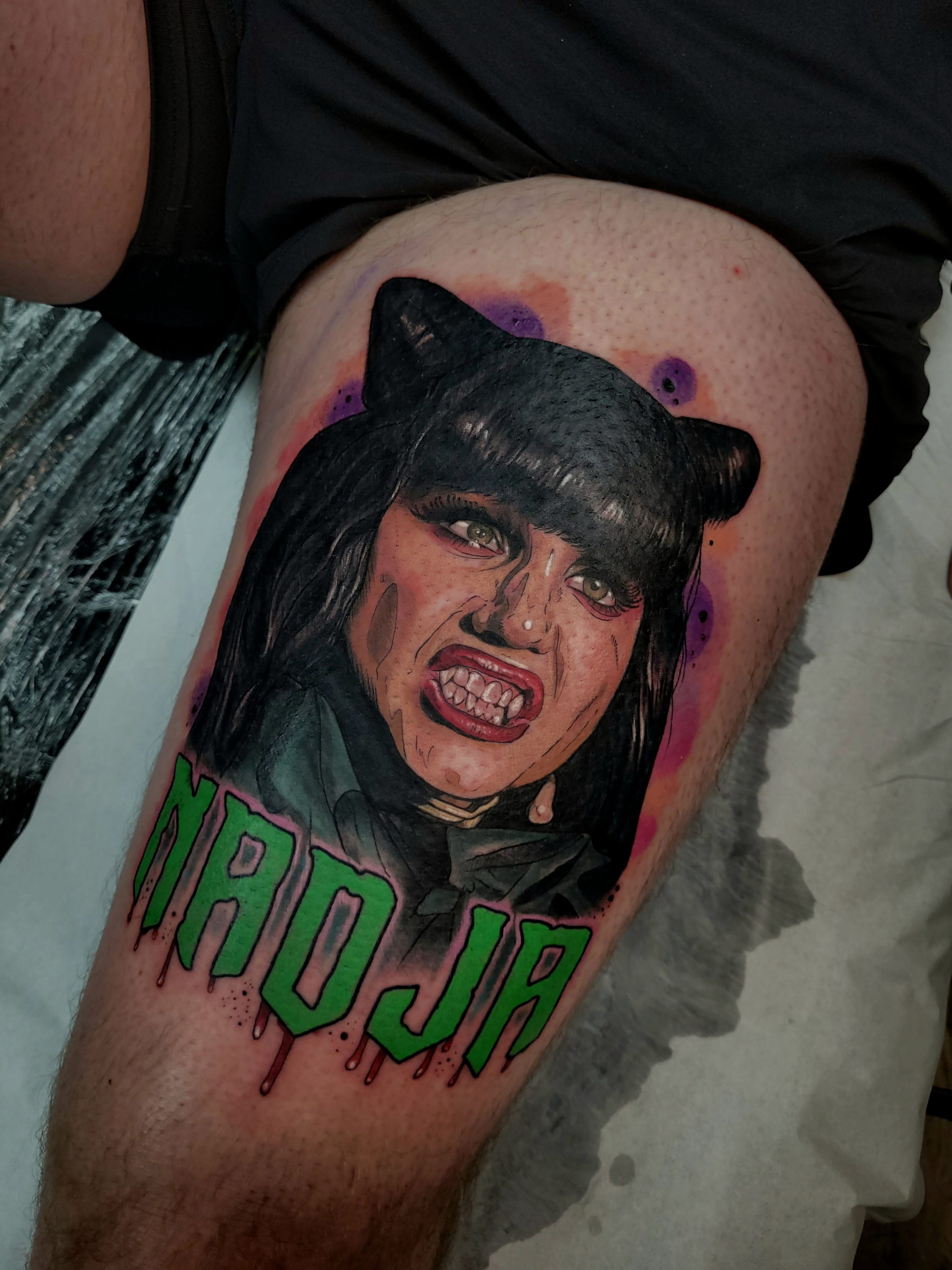
    • outer thigh
    • shoulder
    • outer ankle

    These areas are often popular choices for a first tattoo because many people find them easier than more sensitive placements.

    However, tattoo pain is subjective. What feels easy for one person may still feel sore for someone else.

    More Sensitive Areas To Get Tattooed

    Areas with thinner skin, less padding or more nerve endings can feel more sensitive.

    These can include:

    • throat
    • inner bicep
    • ribs
    • stomach
    • behind the knee
    • sternum
    • inner ankle
    • inner wrist
    • feet

    These areas are not impossible to tattoo, and many people sit through them perfectly well, but they are worth considering carefully if you are getting your first tattoo.

    If you are unsure, your artist can talk you through placement options and help you choose an area that feels right for you.

    Things That Can Affect Tattoo Pain On The Day

    Believe it or not, the way you feel on the day can affect tattoo pain just as much as the placement.

    Your tattoo may feel harder to sit through if you are:

    • tired
    • dehydrated
    • hungry
    • run down
    • unwell
    • stressed
    • recovering from illness

    That is why we always recommend getting a good night’s sleep, eating before your appointment and staying hydrated.

    Even if you feel okay mentally, your body is still doing a lot of work during a tattoo session.

    Periods, Illness and Pain Tolerance

    Pain tolerance can also change depending on what your body is already dealing with.

    For some people, being on their period, especially at the start of their cycle, can make tattoo pain feel more intense.

    The same can happen if you are coming down with a cold, recovering from one or generally feeling under the weather.

    If your body is already working hard, getting tattooed may feel more difficult than it usually would.

    If you are unsure whether to go ahead with your appointment, it is always better to speak to your artist first.

    Should I Use Numbing Cream Before a Tattoo?

    We understand why people consider numbing cream, especially if they are worried about pain.

    However, at Tabula Rasa Tattoo Studio we do not recommend using numbing cream before your appointment.

    There are a few reasons for this.

    Numbing creams can affect the texture of the skin, which may make the tattoo harder to apply cleanly. They can also wear off during the appointment, which can make the pain feel more intense once the numbness fades.

    Some numbing products may also contain ingredients that are unclear or unsuitable for your skin, which can increase the risk of irritation or a reaction.

    Instead, we use appropriate products during the tattoo process where needed to help soothe the skin and make the experience as comfortable as possible.

    Tattooing Over Scar Tissue and Stretch Marks

    Tattooing over scar tissue or stretch marks can feel different depending on the person and the type of skin being tattooed.
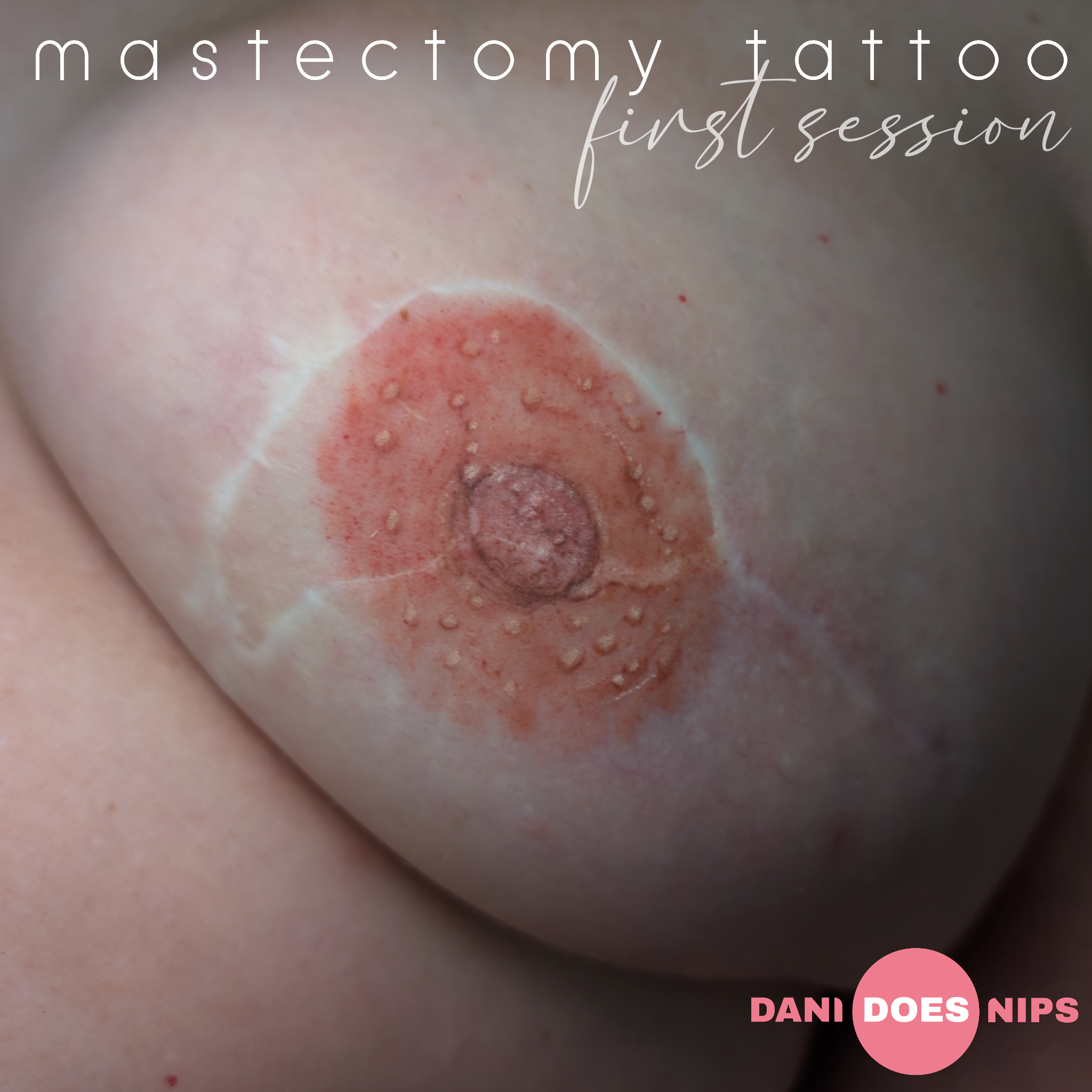
    In our experience, some scarred areas can be surprisingly painless, especially where there has been nerve damage. This can sometimes happen with surgical scars, including some mastectomy scars.

    However, other scars can be more sensitive.

    It depends on the type of scarring, how old it is, how the skin has healed and how the area feels for the individual client.

    If you are thinking about tattooing over scar tissue or stretch marks, it is always best to speak to your artist first. They can look at the area, talk through what may be possible and explain what to expect.

    Can You Take Breaks During a Tattoo?

    Yes, absolutely.

    If you need a break during your tattoo, just let your artist know.

    Breaks are completely normal, especially during longer sessions or more sensitive placements. You can take time to have a drink, eat a snack, stretch or simply breathe for a moment.

    At our Chesterfield studio, we want clients to feel comfortable and supported throughout the whole process.

    There is no pressure to “sit like a rock” or pretend something is easier than it is.

    How To Make a Tattoo Feel Easier

    You cannot remove every sensation from a tattoo, but you can make the experience easier by preparing properly.

    Before your appointment, we recommend:

    • getting enough sleep
    • eating a proper meal
    • drinking plenty of water
    • avoiding alcohol
    • bringing a sugary drink or snack
    • wearing comfortable clothing
    • letting your artist know if you feel nervous

    The calmer and more prepared your body feels, the easier the appointment usually feels.

    Is Tattoo Pain Worth It?

    For most people, yes.

    Tattoo pain is temporary, but the artwork stays with you.

    Many clients arrive feeling nervous and leave saying the experience was nowhere near as bad as they expected. Some even find the process relaxing once they settle into it.

    The most important thing is choosing an artist and studio you trust.

    When you feel comfortable, informed and looked after, getting tattooed becomes a much more positive experience.

    Thinking About Your First Tattoo?

    If you are worried about tattoo pain, or are wondering “do tattoos hurt?”, you are not alone.

    It is completely normal to feel nervous before getting tattooed, especially if it is your first time.

    At Tabula Rasa Tattoo Studio in Chesterfield, we are always happy to talk through placement, pain expectations, preparation and aftercare before your appointment.

    Ready for Your First Tattoo?

    Getting your first tattoo can feel exciting, overwhelming and a little scary all at the same time.

    That’s completely normal.

    At Tabula Rasa Tattoo Studio in Chesterfield, we’re here to guide you through every stage of the process, from your first enquiry through to a fully healed tattoo you’ll be proud of for years to come.

    If you’re considering your first tattoo, we’d love to hear from you.

  • What To Expect When Getting Your First Tattoo

    What To Expect When Getting Your First Tattoo

    First tattoo advice can make the whole experience feel much less overwhelming.

    Getting your first tattoo is exciting, but it can also feel a little nerve-wracking when you don’t know what to expect. At Tabula Rasa Tattoo Studio in Chesterfield, we regularly welcome first-time clients and understand that it’s completely normal to feel a little nervous.

    To help you feel prepared, here are some tips and a guide to what you can expect when getting your first tattoo.

    Research Your Artist

    One of the most valuable pieces of first tattoo advice is to spend time researching the artist you choose.

    Look through their portfolio, follow them on social media and get a feel for both their artwork and their personality. Choosing an artist whose style you love and who makes you feel comfortable is one of the most important parts of the process.

    The more confidence you have in your chosen artist, the more relaxed you’ll feel on the day of your appointment.

    Look at Fresh and Healed Work

    When viewing an artist’s portfolio, don’t just look at fresh tattoos.

    Fresh tattoos often look brighter and more defined than healed tattoos, especially black and grey work. Looking at healed examples gives you a much better idea of how the tattoo will look long term.

    A good artist should be proud to show both fresh and healed results.

    Booking Your Tattoo

    Every artist has their own preferred booking process. Some may ask you to book through social media, while others use websites or dedicated enquiry forms.

    When making an enquiry, try to include as much information as possible, including:

    • Your tattoo idea or design
    • Placement on the body
    • Approximate size
    • Style preference
    • Availability
    • Skin tone
    • Any allergies, skin conditions, medical considerations or medications that may affect your appointment

    Providing clear information helps your artist understand your requirements and makes the booking process much smoother.

    How to Prepare for Your Appointment

    Preparation can make a big difference to your tattoo experience.

    The night before your appointment, try to:

    • Get a good night’s sleep
    • Stay hydrated
    • Avoid alcohol
    • Eat a proper meal before your appointment

    Even if you’re only having a small tattoo, your body will still be working hard during the process, so being well-rested and properly fed helps a lot.

    If you have conditions such as eczema or psoriasis, make sure you let your artist know. If you are experiencing a flare-up, your appointment may need to be delayed until the skin has settled.

    It’s also important to avoid sunburn, cuts or injuries in the area that will be tattooed.

    Do Tattoos Hurt?

    This is probably the most common question we hear.

    The honest answer is yes, tattoos can be uncomfortable, but they are rarely as painful as people imagine.

    Tattoo needles are very different from medical injection needles. The sensation is often described as a scratching, vibrating or warm stinging feeling rather than a sharp injection.

    Everyone’s pain tolerance is different and every tattoo experience is unique. Some clients find certain areas uncomfortable, while others are surprised by how manageable the process feels.

    Many people even find getting tattooed relaxing once they settle into the session.

    Tattoo Placement and Pain Levels

    Some areas of the body tend to be more sensitive than others.

    Generally speaking:

    Less Sensitive Areas

    • Outer forearm
    • Upper arm
    • Outer thigh

    Moderately Sensitive Areas

    • Inner forearm
    • Ankle
    • Shoulder
    • Shin

    More Sensitive Areas

    • Calf
    • Hips
    • Spine
    • Upper thigh

    Areas Often Considered Most Sensitive

    • Ribs
    • Sternum
    • Stomach
    • Throat
    • Behind the knee
    • Feet
    • Inner wrist
    • Inner ankle
    • Inner bicep

    Remember, everybody is different. Some people find traditionally painful areas easy, while others struggle with areas that are usually considered comfortable.

    Arriving at the Studio

    When you arrive for your appointment, you’ll be asked to complete a consent form and provide identification.

    We’ll go through your forms, answer any final questions and make sure everything is ready before starting your tattoo.

    Our goal is always to make you feel comfortable and informed throughout the process.

    The Design and Stencil Process

    Before any tattooing begins, we’ll show you the design and prepare the stencil.

    This is your opportunity to check:

    • The design itself
    • The size
    • The placement
    • The overall look

    Don’t worry about asking for changes.

    You can adjust the size or placement as many times as needed until you’re completely happy.

    During Your Tattoo

    Once you’re happy with everything, it’s time to start tattooing.

    All equipment used at Tabula Rasa Tattoo Studio is single-use and pre-sterilised. Everything is opened fresh for each client and safely disposed of afterwards.

    We follow strict hygiene procedures and licensing requirements to ensure every tattoo is completed in a safe and professional environment.

    You’re welcome to take breaks whenever you need them. If you feel tired, uncomfortable, light-headed or simply want a moment to relax, just let your artist know.

    Nothing is too much trouble.

    After Your Tattoo

    Once your tattoo is finished, we’ll cover it appropriately and explain how to care for it during the healing process.

    Your aftercare instructions may vary slightly depending on the style, placement and size of your tattoo.

    For detailed guidance, you can also visit our Tattoo Aftercare page and read our article on 5 Essential Tattoo Aftercare Tips.

    We’re Here Throughout the Healing Process

    Getting your first tattoo doesn’t end when you leave the studio.

    If you have any questions during healing, we’re always happy to help. No question is silly and we’d much rather you ask than worry unnecessarily.

    Our artists are always available to offer guidance and advice throughout the healing process.

    Ready for Your First Tattoo?

    Getting your first tattoo can feel exciting, overwhelming and a little scary all at the same time.

    That’s completely normal.

    At Tabula Rasa Tattoo Studio in Chesterfield, we’re here to guide you through every stage of the process, from your first enquiry through to a fully healed tattoo you’ll be proud of for years to come.

    If you’re considering your first tattoo, we’d love to hear from you.
  • Why Quality Tattoos Cost What They Do

    Why Quality Tattoos Cost What They Do

    Quality tattoos cost what they do for good reason. One of the most common messages any tattoo artist receives is, “How much would this cost?” It is a fair question, but a quality tattoo is never just a case of paying for time in the chair.

    You are paying for the full process behind the work: the artist’s experience, their drawing ability, their technical skill, the time spent planning your design, the quality of the materials used, and the professional standards that keep the process safe.

    In England and Wales, tattooists and their premises must be registered with the relevant local council, which is part of the professional standards that help protect client safety.

    In other words, when you pay for a good tattoo, you are not simply buying an appointment. You are investing in something permanent that needs to look good not just on the day, but years from now.

    You are paying for more than the tattoo appointment

    A tattoo does not begin when the machine starts. Long before your appointment, there is usually a great deal of work happening behind the scenes.

    That can include:

    • answering your enquiry and discussing your idea
    • planning the design and researching reference material
    • adapting the artwork to suit your body and placement
    • making revisions where needed
    • preparing the stencil and setup for the appointment
    • breaking down and cleaning safely afterwards

    For many tattoos, the drawing, preparation and admin can take almost as much time as the tattoo itself. In some cases, it can take longer.

    This is why tattoo pricing is not always a simple “hours multiplied by a number” calculation. You are paying for the complete creative and professional service, not just the visible part.

    Experience matters

    Two artists may quote differently for what looks like the same tattoo, and that does not automatically mean one is overpriced.

    Experience changes everything.

    A more experienced artist has usually spent years building their craft, refining their technique, learning how skin behaves, improving linework, understanding healing, and developing the judgement needed to place and design tattoos properly for the body.

    That experience often means:

    • cleaner application
    • stronger composition and flow
    • better longevity
    • smoother healing
    • fewer avoidable mistakes

    It can also mean they work more efficiently. One artist may complete a tattoo in three hours, while another may take six. Faster does not always mean rushed, and slower does not always mean better. Different artists work in different ways, and their pricing reflects that.

    Good tattooing relies on professional standards

    A quality tattoo should be carried out in a clean, licensed and professional environment where safety is taken seriously.

    In England and Wales, tattooists and premises must be registered with the relevant local council. Tattooing also sits within wider health and safety controls around blood-borne virus exposure, sharps handling and decontamination. Those standards are not optional extras. They are part of what responsible professional tattooing looks like.

    Clients do not always see all the systems behind that, but they matter. Safe setup, single-use items where required, proper disposal of sharps, correct cleaning procedures, and professional hygiene practices all form part of the real cost of delivering tattoo work properly.

    Equipment and materials cost money

    The quality of the finished tattoo is influenced by the quality of the setup used to create it.

    Professional artists invest heavily in:

    • machines and power supplies
    • needles and cartridges
    • medical-grade hygiene and cleaning products
    • inks and consumables
    • protective barriers and PPE
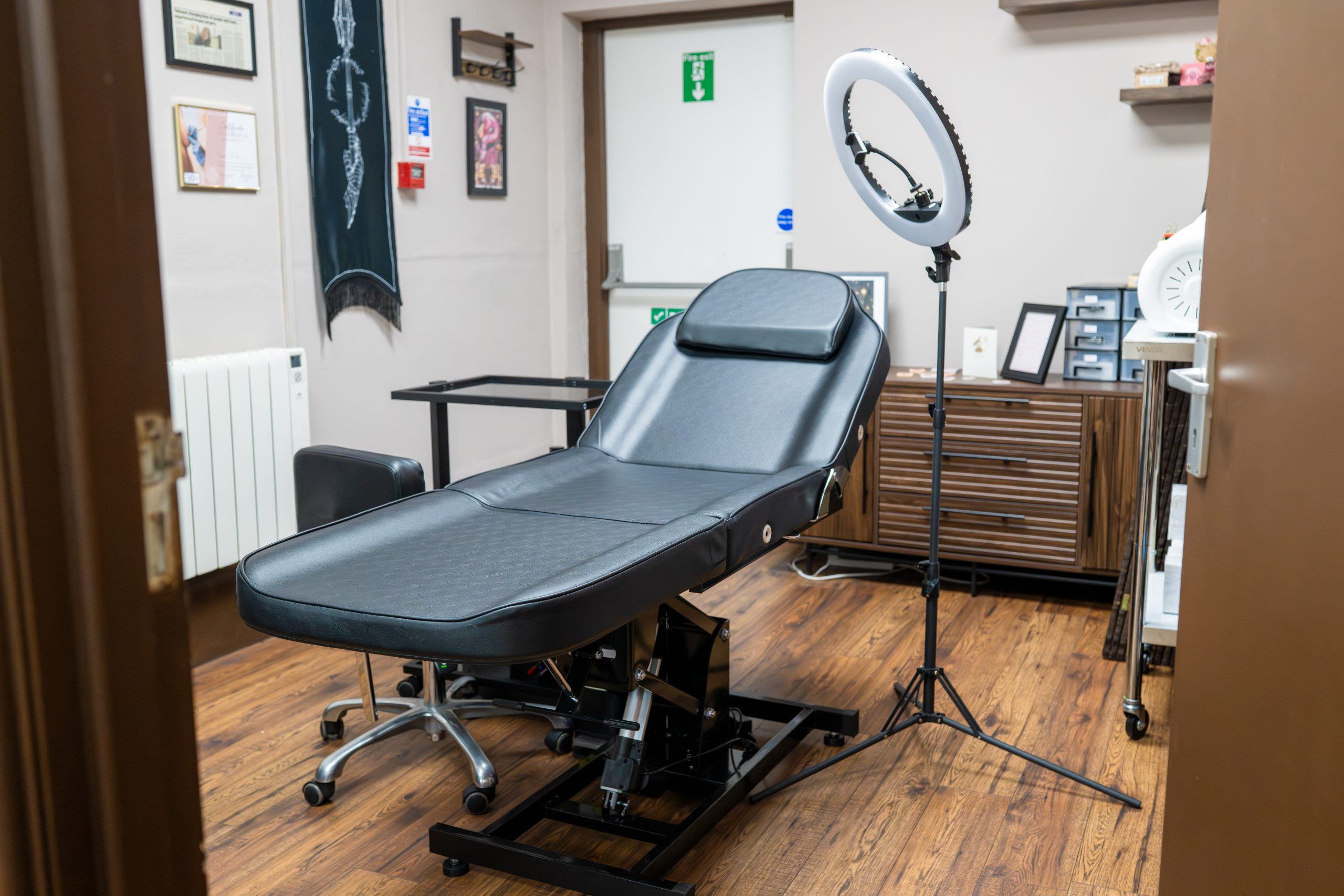
    • studio furniture and lighting
    • licensing, insurance and ongoing training

    These costs have not stood still. Wider UK inflation remains elevated, which affects the day-to-day cost of running any professional service business. That includes rent, utilities, supplies and disposable items used in the studio.

    So when tattoo prices rise over time, that is not just about artists charging more for the sake of it. In many cases, it reflects the real cost of continuing to provide safe, professional, high-quality work.

    Cheap tattoos can become expensive later

    Price matters, of course. But with tattoos, going for the cheapest option can cost more in the long run.

    A poorly applied tattoo may heal badly, age poorly, need reworking, or require a cover-up sooner than expected. In more serious cases, unsafe tattooing can expose people to avoidable health risks.

    That is why choosing purely on price is rarely the best approach.

    A tattoo is permanent. It lives on your body, not in a drawer. So it makes sense to choose an artist whose work you genuinely trust, whose healed results you like, and whose approach feels professional from the first conversation onwards.

    Different artists price in different ways

    There is no single industry-wide way to price tattoos.

    Some artists charge:

    • by the piece for smaller or more straightforward work
    • by the hour when timing is less certain
    • by the day for larger or more complex sessions

    That does not mean one method is right and another is wrong. It usually comes down to the artist’s working style, the type of tattoo being booked, and how predictable the time needed is likely to be.

    Things that can affect the quote include:

    • size
    • placement on the body
    • level of detail
    • colour versus black and grey
    • skin condition and body movement in the area
    • whether the tattoo is custom drawn
    • whether it is a cover-up or rework
    • how many sessions are likely to be needed

    Areas that are harder to tattoo, or designs that need more custom drawing and planning, often take more time and more skill. That naturally affects price.

    A good quote reflects quality, not just time

    When you receive a quote from a professional tattoo artist, you are not only being quoted for the appointment itself.

    You are being quoted for:

    • design time
    • preparation time
    • tattoo time
    • safe setup and breakdown
    • the artist’s training and experience
    • the quality of the environment and materials
    • the standard of work you can expect to wear for years to come

    That is why quality tattoos cost what they do.

    How to judge value properly

    If you are comparing tattoo quotes, do not just ask who is cheapest. Ask:

    • Do I genuinely like this artist’s work?
    • Does their portfolio show consistency?
    • Do I like their healed results as well as fresh tattoos?
    • Does the studio look clean, professional and well run?
    • Does the artist’s style suit the tattoo I want?
    • Do I feel comfortable trusting them with something permanent?

    A good tattoo is not about finding the lowest price. It is about finding the right artist for the work and understanding the value behind the quote.

    Final thought

    Tattoos are personal, permanent and highly skilled work. The right tattoo artist is not only giving you their time on the day. They are bringing their experience, judgement, creativity, professional standards and care to something you will wear for life.

    That is what you are paying for.

    And when it is done well, it is worth it.


    Thinking about your first tattoo — or your next one?

    Whether you already have a clear idea or just the beginning of one, we’re always happy to talk it through. Send us an enquiry or book a consultation, and let’s explore what your tattoo could become

  • 5 Essential Tattoo Aftercare Tips

    5 Essential Tattoo Aftercare Tips

    Tattoo aftercare advice is one of the most important parts of the tattoo process.

    There’s nothing quite like the moment you get a new tattoo and look in the mirror for the first time. The artwork is finished, the excitement kicks in, and you finally see the piece you’ve been waiting for.

    But the journey doesn’t stop when the tattoo is finished. Proper aftercare is what ensures your tattoo heals well and continues to look great for years to come.

    At Tabula Rasa Tattoo Studio in Chesterfield, we always remind our clients that healing is just as important as the tattoo itself.

    Depending on the style, size and placement of your tattoo, your artist may give slightly different advice based on their experience. Always follow the instructions given by your artist first.

    However, there are some key aftercare principles that apply to most tattoos.

    Here are five important tips to help your tattoo heal properly.


    1. Make Sure You Rest

    After getting a tattoo it’s completely normal to feel tired, drained or even a little unwell. Your adrenaline levels rise during the tattoo process and once that settles your body can feel exhausted.

    Some people experience what’s commonly called “tattoo flu”, where you feel slightly run down for a day or two.

    The best way to manage this is simple:

    • Get plenty of rest
    • Stay hydrated
    • Make sure you eat properly

    If you’ve had a larger tattoo or work on the lower legs, it’s a good idea to take a few slower days afterwards. This helps your body start healing and can reduce swelling.


    2. Follow Your Artist’s Aftercare Advice

    The most important rule of tattoo aftercare is simple:

    Listen to your artist.

    Every tattoo is slightly different, and experienced artists know how their work heals best.

    While it can be tempting to search online for general advice, not every healing method suits every tattoo style. Your artist understands the technique used, the style of the tattoo and the best healing approach for that particular piece.

    At our Chesterfield tattoo studio, we always encourage clients to contact us if they’re unsure about anything during healing.

    There’s no such thing as a silly question when it comes to looking after your tattoo.


    3. Use Proper Tattoo Aftercare Products

    A tattoo is an investment in both art and your skin, so it’s important to use products designed specifically for tattoo healing.

    Tattoo aftercare creams are formulated to:

    • Support healing
    • Protect the skin
    • Help colours and lines remain vibrant

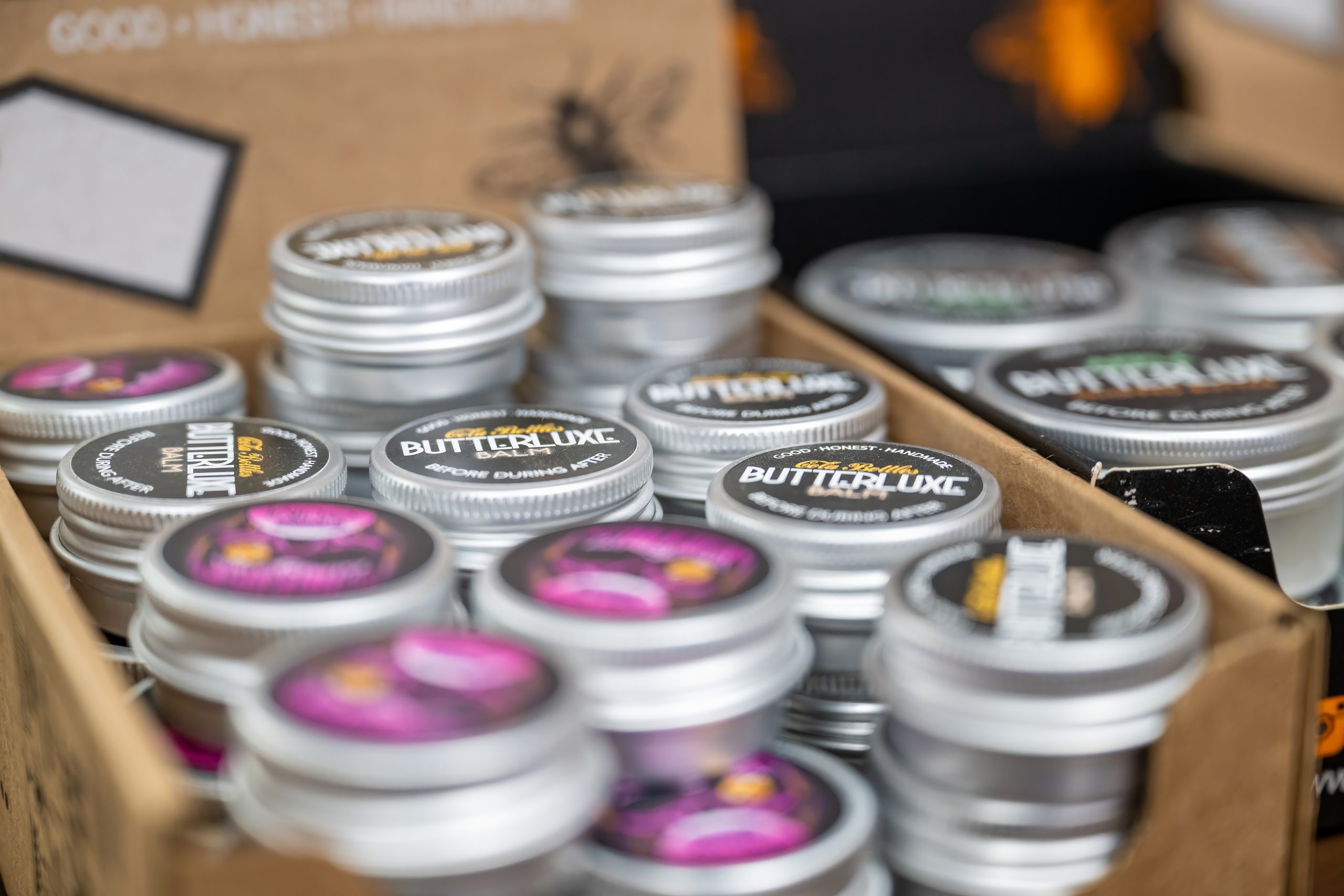
    At Tabula Rasa Tattoo Studio we often recommend Butterluxe, a brand we know and trust for tattoo healing.

    Using random creams or skincare products that aren’t designed for tattoos can sometimes cause irritation, allergic reactions or affect the way the tattoo heals.

    Always check ingredient lists and avoid anything you may be sensitive to.


    4. Keep Your Tattoo Clean and Dry

    Keeping your tattoo clean during healing is essential.

    Showers are perfectly fine, because clean water runs over the tattoo. However, soaking in baths should be avoided while the tattoo is healing.

    When skin is freshly tattooed it is sensitive and fragile. Sitting in bath water can expose the tattoo to bacteria and prevent the skin from healing properly.

    During the healing process you should also avoid:

    • Swimming pools
    • Hot tubs
    • Saunas
    • Sunbeds
    • Direct sunlight on the tattoo

    These can all cause irritation or introduce bacteria to the healing skin.


    5. Don’t Pick, Scratch or Peel

    As your tattoo heals, it will usually enter an itchy stage and may begin to flake or scab slightly.

    This is completely normal.

    However, it’s very important not to pick, peel or scratch the area.

    Pulling away healing skin can remove ink from the tattoo, cause patchy healing or even lead to infection.

    Your skin is working hard to repair itself. Leaving it alone is the best thing you can do to ensure your tattoo heals beautifully.


    Tattoo Aftercare Questions

    How long does a tattoo take to heal?

    Most tattoos take around two to four weeks for the surface skin to heal, although deeper healing continues for a little longer.

    What should I do if my tattoo feels irritated?

    If something doesn’t feel right, the best step is always to contact your tattoo artist for advice.


    Need More Tattoo Aftercare Advice?

    We hope these tips help you feel more confident about healing your tattoo.

    If you ever have questions about aftercare, you can always contact your artist at Tabula Rasa Tattoo Studio in Chesterfield for advice.

    You can also visit our aftercare page on the website for more information.

    And remember — when it comes to tattoos, it’s always better to ask than to guess.

    Happy healing!


    Thinking about your first tattoo — or your next one?

    Whether you already have a clear idea or just the beginning of one, we’re always happy to talk it through. Send us an enquiry or book a consultation, and let’s explore what your tattoo could become

  • Why Tattoos Are So Powerful

    Why Tattoos Are So Powerful

    In our Chesterfield studio, we see a huge variety of people walk through our doors — all with different stories, reasons and emotions behind their decision to get tattooed.

    We also meet people who tell us they don’t understand tattoos at all. Some say they would never get one themselves. And that’s okay. But it’s interesting to remember that tattoos weren’t always viewed the way they are today.

    Not that long ago, tattoos carried heavy stigma. In the late 19th century, heavily tattooed women were displayed in circuses and dime museums as “tattooed ladies,” earning a living from something considered shocking or unusual. For many years after, tattoos were associated with rebellion or negativity — and it was once almost unheard of for women to be tattooed.

    Today, the world looks very different. Tattoos are part of modern culture, self-expression and identity. Seeing a woman with tattoos is no longer controversial. But some people still ask the same question:

    Why?

    As a tattoo artist, I’d love to share some of the reasons we see every day.

    For some, tattoos are about art. They love the aesthetic, the creativity, the way it looks on the body. There’s nothing wrong with choosing a tattoo simply because you love it.

    But for many people, it runs much deeper.

    Tattoos can celebrate beginnings — a marriage, the birth of a child, a milestone reached. They can mark endings — the close of a chapter, the reclaiming of self after a difficult or abusive relationship. Friends get matching tattoos to honour shared memories. Parents carry their children’s birth dates. People memorialise loved ones with birth flowers, handwriting, meaningful symbols or dates that will never be forgotten.

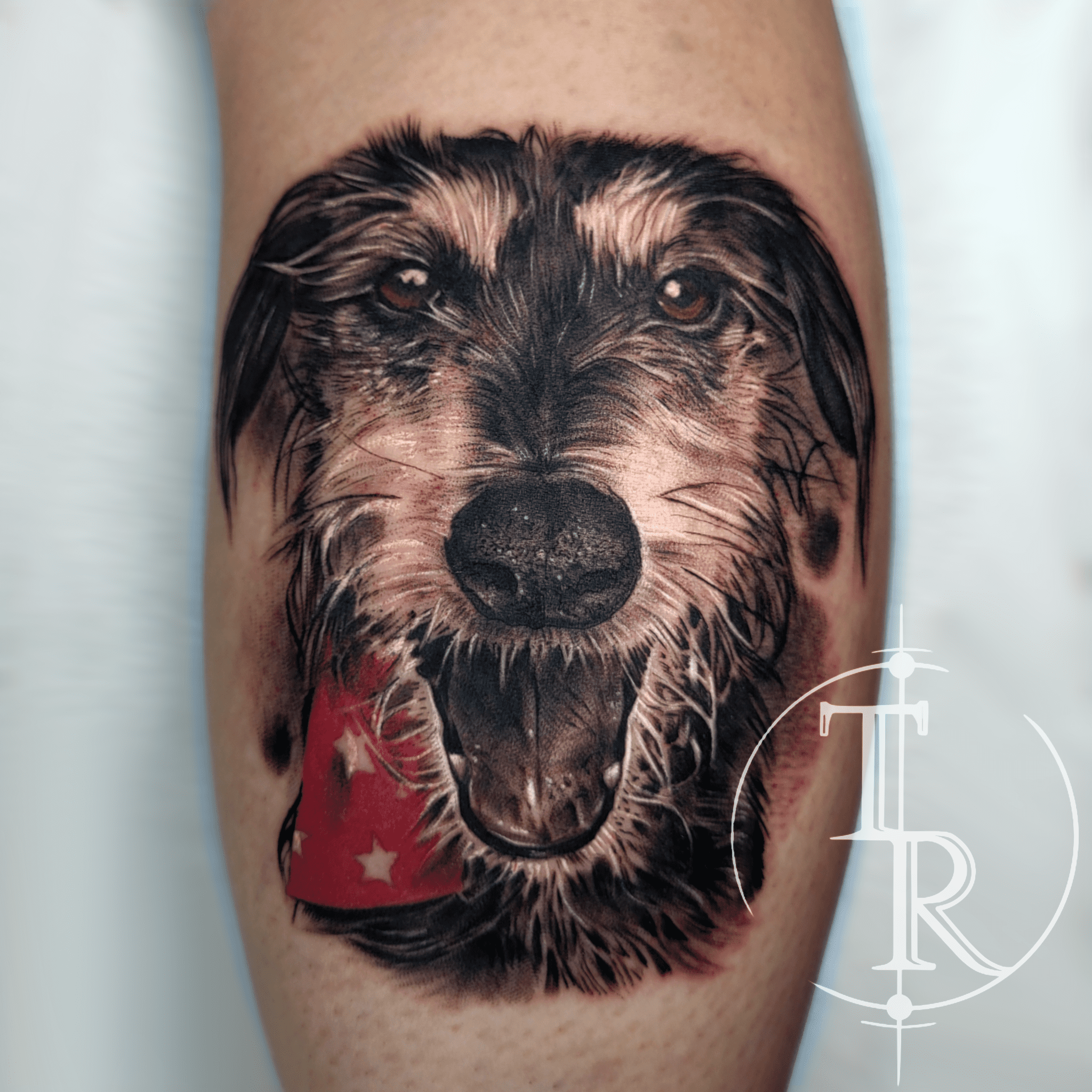
    The loss of a pet becomes a paw print or portrait. A symbol marks the moment someone chose to walk away from something that no longer served them. Others choose designs that connect them to their heritage, spirituality or faith. Fine line words of strength can sit quietly on the skin — visible only to the wearer — acting as a personal reminder in difficult moments.

    And sometimes tattoos are truly transformative.

    For breast cancer survivors who have lost part of their body, tattooing can help restore confidence and wholeness. Our specialised 3D areola restoration work is carried out with sensitivity, experience and care. Seeing themselves in the mirror again can be powerful beyond words. In these moments, tattoos are not decoration — they are healing.

    Tattoos aren’t just fashion statements.

    They are for real people — everyday people — often carrying love, memory, strength, grief, celebration and identity on their skin.

    And that’s why they’re so powerful.


    Thinking about your first tattoo — or your next one?

    Whether you already have a clear idea or just the beginning of one, we’re always happy to talk it through. Send us an enquiry or book a consultation, and let’s explore what your tattoo could become